



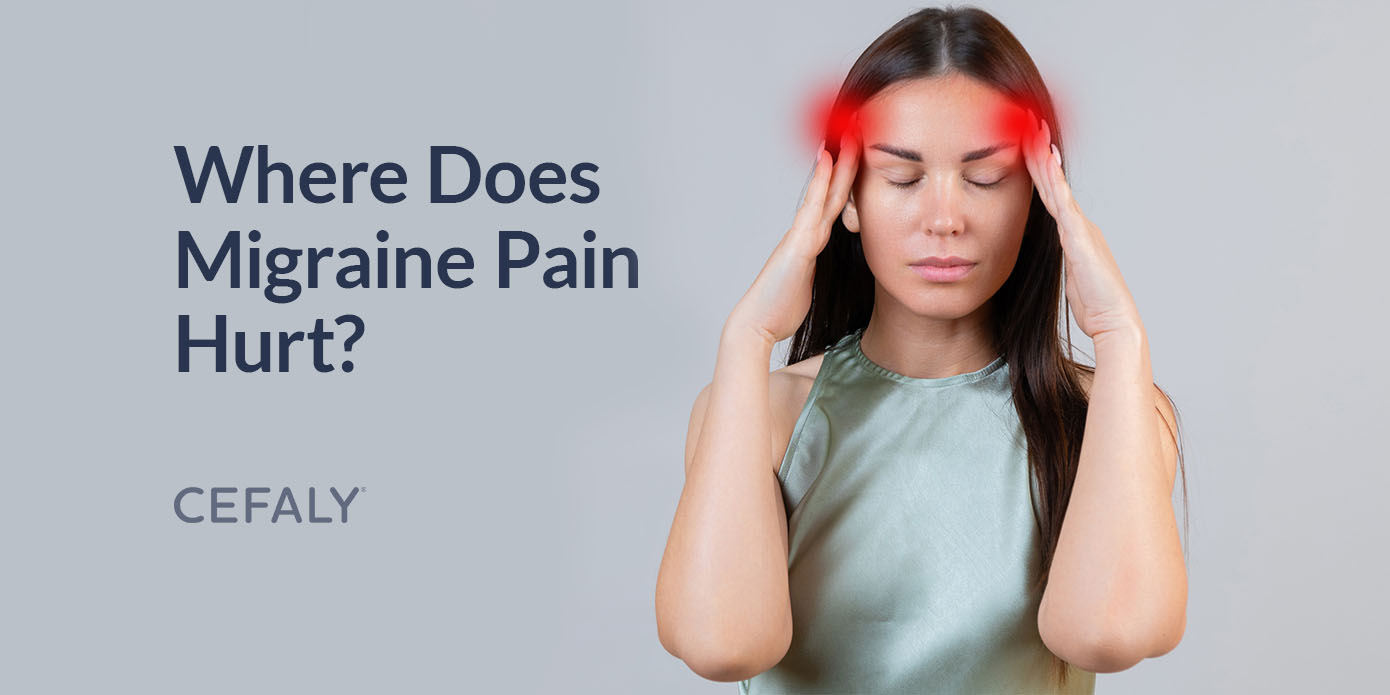
Où la douleur migraineuse fait-elle mal?
La douleur migraineuse implique généralement une douleur lancinante ou palpitante, souvent ressentie d’un côté de la tête, mais qui peut aussi affecter les deux côtés. Quand il s’agit de là où la migraine fait mal, la vérité est que c’est différent pour chacun. La douleur migraineuse n’est pas qu’un simple céphalée; Cela peut affecter d’autres parties du corps. Migraine pain may also radiate to the face, neck or around the eyes.
The kind of pain you feel might tell you more about the type of migraine you experience. It helps to know as much about migraine pain areas as possible so that you can take steps to find relief.
- How does migraine pain feel?
- Where does migraine pain occur?
- Types of migraine and pain areas
- Tips for relieving migraine pain
How does migraine pain feel?
Migraine is often accompanied by a severe throbbing and pulsating pain, generally on one side of the head. This headache pain is caused by the activation of nerve fibers in the wall of blood vessels inside the meninges, the three layers of membranes that protect the brain and spinal cord. While these headaches are the most well-known symptom of migraine, you may also feel pain in your eyes and neck.
Migraine attacks often happen in phases. Different symptoms go with each phase, including:
- Prodrome: The prodrome phase begins up to two days before you experience a migraine. You may notice mood changes, frequent yawning, food cravings, or other non-pain symptoms.
- Aura: Aura involves sensory, motor and speech challenges and may occur before or during migraine. This phase can last as long as an hour, and you may experience headaches simultaneously. Other symptoms include vision changes, muscle weakness and uncontrollable movements. Not everyone experiences aura.
- Attack: A migraine attack can last for up to 72 hours. Attacks typically involve a throbbing pain in one side of your head. You may also become nauseous or vomit. Other symptoms include sensitivity to light, sound or odors.
- Postdrome: The postdrome, or migraine hangover, can last for a day or so. During this phase, you may experience neck stiffness, fatigue, or other symptoms.
Migraine feels different for each person. Your migraine headache may be mild or severe, and the pain can start on one side of your head before shifting to the other. You may also have pain in your sinuses or jaw, depending on the type of migraine you experience.
Where does migraine pain occur?
Migraine pain locations vary from person to person. Some painful migraine areas include the following:
- Forehead
- Temples
- Sides of the head
- Back of the head
- Around or above your eyes
- Nape of your neck
- Jaw
- Cheeks
- Ears
- Shoulders
- Upper back
Types of migraine and pain areas
Your migraine pain area may depend on the type of migraine you experience. These are some of the types of migraine and the ways you might experience them.
Migraine with and without aura
Migraine without aura is the most common type of migraine. You’ll often feel a throbbing, pulsing pressure on the side of your head. Aura describes the sensory disturbances some people experience alongside the migraine headache. When you have migraine with aura, you may feel pain behind your eyes in addition to the typical head pain.
Silent migraine
When you have a silent migraine attack, you do not experience headache pain. However, you still experience other symptoms, including aura, vision changes, nausea and vomiting.
Abdominal migraine
Abdominal migraine is a common childhood disorder that rarely occurs in adulthood. Instead of a migraine headache, abdominal migraine sufferers experience a dull ache close to the belly button. The main is moderate to severe.
Ocular migraine
Ocular migraine, also known as retinal migraine, may or may not cause a headache. It’s characterized by vision disturbances that affect one eye. You might experience blind spots that result in partial or total blindness in that eye. Seeing stars and zig-zag lines is also common. If you do experience headache pain, it will likely be right behind the affected eye.
Menstrual migraine
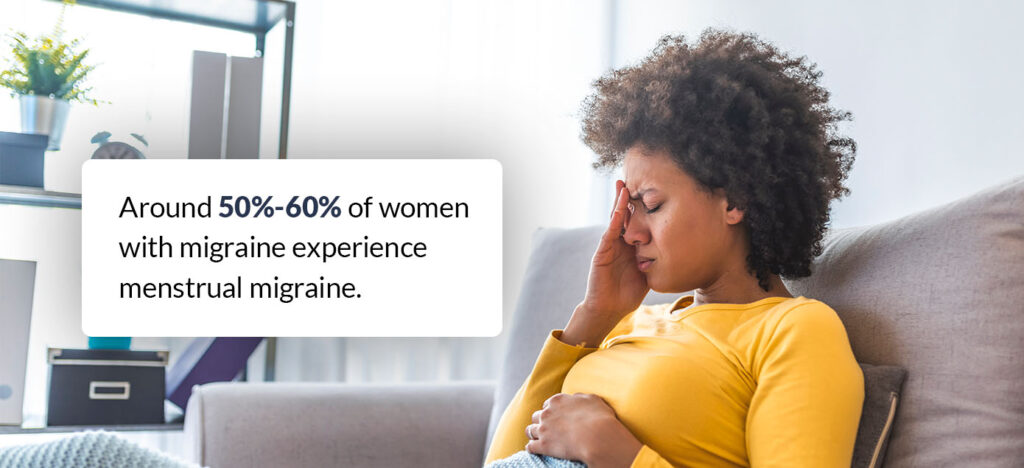
Around 50%-60% of women with migraine experience menstrual migraine. Changing hormone levels at any point during the menstrual cycle can trigger the symptoms, which typically include throbbing pain on one side of your head. Menstrual migraine can present as migraine with or without aura.
Vestibular migraine
Vestibular migraine affects your sense of balance. You may experience dizziness, nausea, spinning sensations, vision changes, feeling like you’re falling or ringing in your ears. This migraine type may or may not come with a headache.
Basilar migraine
This rare type of migraine starts at the brainstem. The pain may start on one side of the head before spreading. You may also experience vision, hearing and speech changes.



Tips for relieving migraine pain
Pain relief solutions work differently for different people. You can explore these solutions to find relief for your migraine pain:
- Move to a calm, dark environment: Light and sound sensitivity are common migraine symptoms. When you feel a migraine attack coming on, move to a calm, quiet room, lie down and try to relax.
- Use a hot or cold compress: Many people with migraine apply cold compresses to their heads or necks. Warm compresses can also work, as they relax tense muscles.
- Hydrate: Dehydration is a common migraine trigger. Drinking water shows promise in reducing migraine pain, so you can increase your intake when you feel an attack coming on.
- Try ginger: Many people with migraine find that ginger helps relieve their symptoms. However, more research is needed in this area.
- Grab your migraine toolkit: A migraine toolkit is a collection of things that can help relieve migraine pain. Keep one at home, one in your office and one in your car. Items like your heating pad, bottled water and medication all belong in your toolkit.
- Take medication: Prescription and over-the-counter medications can help relieve migraine pain. However, if you use certain medications too often, you might experience medication overuse headaches.
- Use the CEFALY ACUTE program: If you prefer drug-free migraine relief, CEFALY might be the solution for you. This FDA-cleared device is a clinically proven migraine treatment. The device targets the trigeminal nerve — the primary pathway for migraine pain. Use the ACUTE treatment during prodrome, at the first sign of a migraine attack.
Manage your migraine symptoms with CEFALY
A migraine hurts in various places and can be completely debilitating. CEFALY is a trigeminal nerve stimulator that you can place on your forehead to stimulate and desensitize the primary pathway for migraine pain.
You can use the ACUTE program to relieve pain at the first sign of a migraine attack. In one study, 79% of users saw their headache pain significantly reduced after one hour of treatment. Daily PREVENT treatments can reduce your migraine days over time. Try CEFALY with a 90-day money-back guarantee, and try a safe, convenient and effective approach to managing your migraine attacks!


Derniers messages

Le guide essentiel des dispositifs médicaux pour les migraines
CEFALY is an FDA-cleared medical device that targets the main pathway for migraine pain: the trigeminal nerve (the…
Best At-Home Migraine Neuromodulation Devices for 2026
Migraine affects more than 1 billion people worldwide. For people who want a drug-free option that can be…
Best FDA-Cleared Migraine Devices for Adults in 2026
Migraine affects an estimated 40 million people in the United States, and medication is not the right fit…