



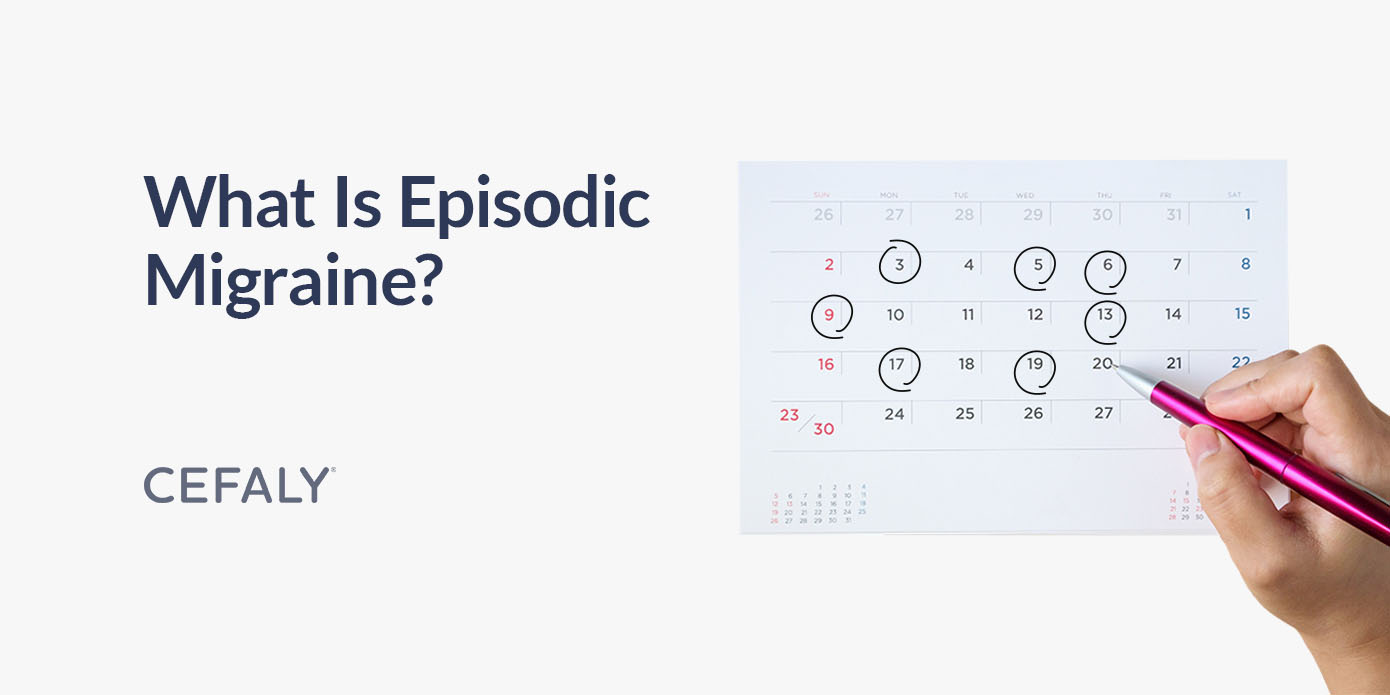
What Is Episodic Migraine?
La migraine est plus qu’une céphalée. It's a neurological condition, and painful headaches are only one of the symptoms. Episodic migraine is a type of migraine in which you experience symptoms fewer than 15 days per month. Some months, you may not experience an attack at all. In contrast, those with chronic migraine experience symptoms 15 or more days per month.
People with episodic migraine have attacks less often, but when they do occur, they are no less disruptive. Understanding episodic migraine is essential to finding the proper treatment. Without a plan in place, episodic migraine can cause challenges at work and in your personal life. With the right tools and information, you can tackle your episodic migraine and lessen the effect of attacks as you live your life.
Understanding episodic migraine vs chronic migraine
Episodic migraine is not a different type of migraine. Instead, the term refers to how often you experience migraine attacks. People with episodic migraine experience symptoms fewer than 15 days per month. People who have migraine symptoms for 15 days of the month or more fall into the chronic category.
Episodic migraine is less frequent and often less intense, and the treatment plan is typically different from chronic migraine treatment. Determining whether migraine is episodic or chronic will help you and your medical team devise a treatment plan.




Episodic migraine symptoms
Episodic and chronic migraine symptoms are often similar, though they vary from person to person. Most last between four and 72 hours. The four phases of migraine include:
- Prodrome: This phase occurs before you notice migraine symptoms. You may be irritable, depressed or have difficulty sleeping. Other symptoms include food cravings and difficulty concentrating.
- Aura: A migraine aura involves neurological symptoms that often come on before the headache. You may have difficulty speaking or notice vision changes, numbness, tingling and weakness.
- Headache: A migraine headache often involves debilitating pain. You may also feel sensitive to light and sound or experience nausea and vomiting. Neck pain is also common among those with migraine.
- Postdrome: This phase occurs after your primary symptoms have passed. The symptoms include fatigue, depression and trouble concentrating.
The causes and diagnosis of episodic migraine
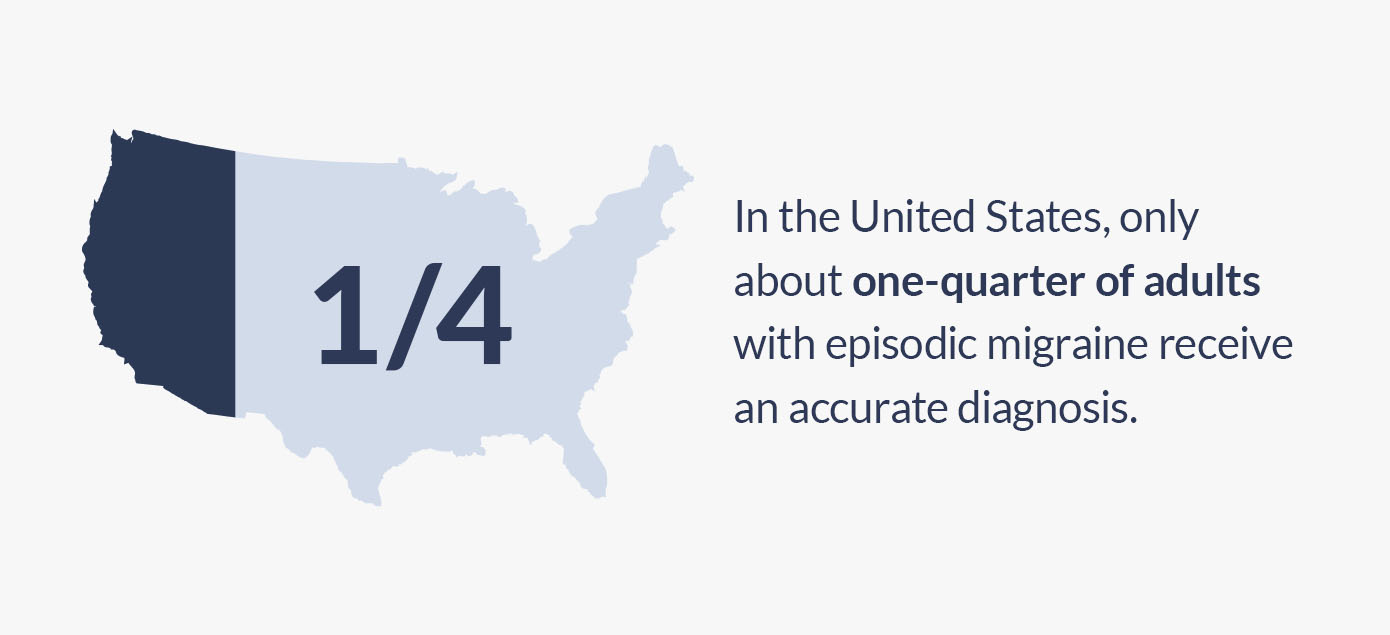
The causes of migraine are complex. Scientists have yet to pinpoint a single cause, making diagnosis challenging. In the United States, only about one-quarter of adults with episodic migraine receive an accurate diagnosis.
When diagnosing episodic migraine, doctors will ask about your symptoms before and during an attack. They'll also want to know how long your episodes last and how often they happen. They may also inquire about your family history and environment and determine other risk factors. These may include obesity, sleep difficulty and mental health conditions like depression.
Several factors can trigger migraine attacks, including:
- Stress: Stress is a common trigger for about 70% of people who experience migraine.
- Food and drinks: Preservatives and other substances in some foods can trigger migraine. Caffeine, sugary drinks and dehydration are also common triggers.
- Hormonal changes: Hormones are a common trigger, especially among women.
- Environmental triggers: Your environment can be a significant trigger. Bright lights, loud noises and strong smells are common culprits.
- Sleep habits: Getting too little sleep is a common migraine trigger. For some, getting too much can have the same effect.
If you think you may be experiencing episodic migraine, it's best to consult a doctor to confirm. They will offer you a treatment plan specific to your symptoms.
Can episodic migraine become chronic?
In some cases, episodic migraine can "transform" and become chronic over time. You can also experience chronic and episodic migraine at different stages in your life.
However, most people with episodic migraine never develop chronic migraine. Certain risk factors may increase the chances, including overuse of migraine medication. It’s important to note here that medication overuse doesn’t automatically refer to a substance use disorder. Additionally, overuse can occur even with non-habit-forming medications. Medical providers monitor migraine medication closely to avoid overuse.
Episodic migraine treatment
We do not yet know a cure for migraine, so treatment is more focused on prevention and relief. Your doctor will work with you to identify your triggers and avoid attacks. They'll also help you design a plan for finding relief amid an attack. Here are some typical treatments for episodic migraine.
Lifestyle changes
Many migraine triggers exist in our daily lives. These small lifestyle changes can address these triggers and help prevent attacks:
- Eat regular, nutritious meals.
- Establish a consistent sleep schedule.
- Avoid caffeine and alcohol.
- Introduce light exercise into your routine.
- Try relaxation techniques to manage stress.
- Identify and avoid triggers.
- Limit sun exposure.
- Address seasonal allergies.
Migraine medication
Finding helpful medication is often a process of trial and error. While many medications, such as tablets or monthly injections, exist to help prevent or treat episodic migraine, they yield different results for different people. In some cases, they can be extremely helpful. In others, results may be limited. Painkillers can provide some relief during attacks, but overuse can lead to medication overuse headaches, also known as rebound headaches. Some people find success with drug-free alternatives, such as homeopathic medications and essential oils.
Migraine tracking
Tracking your triggers and attacks provides valuable information about your migraine. The CeCe Migraine Management app allows you to identify patterns and track your symptoms and treatments. Over time, you’ll better understand what works and what doesn’t. You can also keep a detailed migraine journal and download reports to share with your doctor.
Neuromodulation
This precision therapy targets specific pain pathways for migraine. It’s a safe and drug-free treatment option with no severe side effects. eTNS is a type of neuromodulation that relieves pain and reduces migraine frequency by targeting the trigeminal nerve, the primary pathway for migraine pain.

Choose CEFALY for migraine relief today!
Migraine can impact your quality of life. Left untreated, it can prevent you from giving your all at work or isolate you from your friends and family. If you're looking for a new stand-alone treatment or one to use in conjunction with your existing treatment plan, choose CEFALY.
CEFALY is an FDA-cleared, drug-free migraine treatment. The CEFALY device uses external trigeminal nerve stimulation (eTNS) to desensitize the trigeminal nerve and help ease migraine symptoms.
In one clinical study, 79% of people with migraine experienced a significant reduction in migraine symptoms after an hour of CEFALY ACUTE treatment. In another, 38.1% of users experienced at least a 50% reduction in the number of migraine days following three months of compliant PREVENT treatment. Try CEFALY yourself, and experience the benefits firsthand.





Derniers messages

Le guide essentiel des dispositifs médicaux pour les migraines
CEFALY is an FDA-cleared medical device that targets the main pathway for migraine pain: the trigeminal nerve (the…

Best At-Home Migraine Neuromodulation Devices for 2026
Migraine affects more than 1 billion people worldwide. For people who want a drug-free option that can be…

Best FDA-Cleared Migraine Devices for Adults in 2026
Migraine affects an estimated 40 million people in the United States, and medication is not the right fit…