




Conseils pour travailler dans la vente au détail avec une migraine
Working in retail with migraine presents unique challenges for many people, as around 12% of Americans have migraine. The retail environment often involves bright lights, loud noises and long hours on your feet, all of which can trigger or exacerbate migraine. You may worry about having a migraine attack during a busy shift or how to manage symptoms discreetly without needing to leave your post frequently.
If you’re looking for preventive measures to navigate these challenges, follow our tips for working as a sales associate with migraine. You’ll learn how to identify triggers, manage stress and use non-medication options, like CEFALY migraine devices.
Common migraine triggers and challenges with working in retail
Working with migraine can be particularly challenging due to the unique stressors and triggers present in retail environments:
- Bright lighting: Fluorescent lights flicker and emit a harsh brightness that is a known migraine trigger. This type of lighting can be especially bothersome to people with photophobia (migraine-related light sensitivity).
- Loud noises: Loud or repetitive sounds can intensify migraine symptoms. Retail environments are often noisy with constant chatter, music and announcements.
- Strong odors: Retail stores often have strong scents from perfumes, cleaning products or merchandise. People living with migraine may have a heightened sensitivity to smells, which can trigger or worsen a migraine attack.
The constant movement and long hours on your feet — coupled with irregular breaks — add to the physical and emotional strain.
During busy seasons, stress levels rise as demand for services increases. Working overtime becomes common. This heightened stress, along with changes in routine for shift workers, can exacerbate migraine symptoms. Additionally, the lack of support from managers or colleagues can make it even harder to cope with a migraine attack during work hours.
To manage these challenges, using a migraine diary or CEFALY’s CeCe Migaine Management app can be helpful. You can track your personal triggers and identify patterns to make informed adjustments to your work environment or routine. This proactive approach can help reduce the frequency and severity of migraine attacks, whether you’re navigating the demands as a sales associate or cashier with migraine.




Practical tips for managing migraine and work
While it may be impossible to prevent every migraine attack, a proactive approach to managing common triggers can help manage the occurrence or severity of migraine. Try these strategies to see what works best for you.
1. Before your shift — set yourself up for success
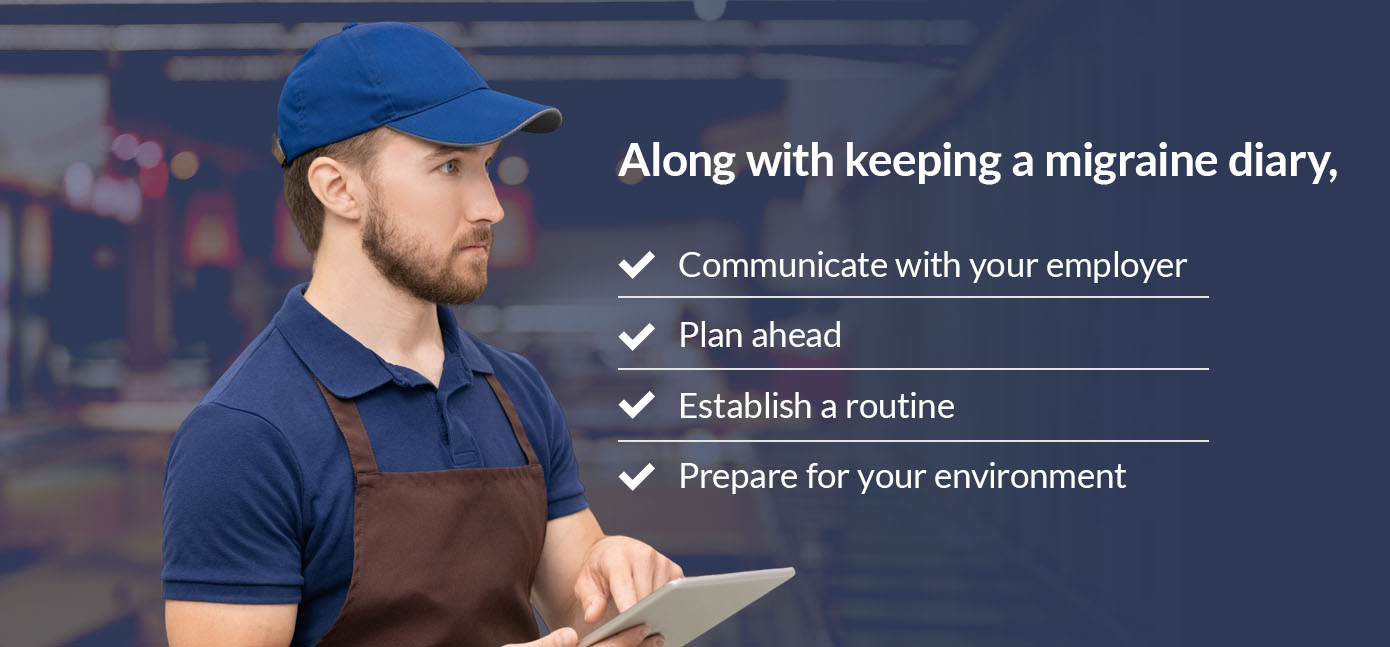
Along with keeping a migraine diary, you can manage migraine symptoms before you start work:
- Communicate with your employer: Open communication with your manager can lead to accommodations that make your work environment more migraine-friendly. This might include adjusting your schedule, changing your workstation or implementing a fragrance-free policy. You should also mention if you use a migraine device, such as those from CEFALY Technology. Did you know that the CEFALY@Work program offers employee discounts on the device? Share this information with your employer: CEFALY@Work.
- Plan ahead: Have your migraine medication or relief tools ready so you’re prepared for any sudden onset of symptoms.
- Establish a routine: You can help stabilize your body’s rhythms and reduce the likelihood of migraines through regular sleep patterns, hydration and balanced meals.
- Prepare for your environment: Anticipate potential triggers by bringing sunglasses that reduce glare or earplugs to minimize noise. These small adjustments can make a difference by lowering the chance of migraine attacks.
2. On the sales floor — manage the environment
If possible, position yourself away from harsh lighting or loud areas. Use tools like antiglare screens or noise-canceling headphones to create a more comfortable workspace.
Stay hydrated and nourished while at work. Dehydration and low blood sugar are common migraine triggers. Keep a water bottle and healthy snacks on hand to maintain hydration and energy levels throughout your shift. Remember to take short, frequent breaks to help manage stress and prevent fatigue. Use this time to stretch, practice deep breathing or step outside for fresh air.
Should you feel the early stages of migraine symptoms, use your CEFALY device‘s ACUTE program during a scheduled break when you can be in a seated or reclined position with your head tilted back.
3. After work — recover and reset for the next day
Reflect on any triggers or symptoms you experienced and update your migraine diary. This ongoing record-keeping helps you identify patterns and make necessary adjustments.
Practice stress-reduction techniques. For example, activities like meditation, yoga or gentle exercise can help manage stress and promote relaxation. This is also a good time to use the PREVENT session on your CEFALY device. Using the PREVENT mode every day makes your trigeminal nerve less sensitive, helping you have fewer attacks and more headache-free days.
You can also reduce morning stress by preparing for the next day. Organize your work essentials - including water, snacks and migraine prevention tools - to ensure you're ready for your next shift. This preparation can set a positive tone for the day.
Quality sleep is crucial for recovery. So, create a relaxing bedtime routine and ensure your sleep environment is conducive to rest. Use blackout curtains or white noise machines if needed.
What to do when a migraine hits mid-shift
When a migraine attack hits mid-shift, it can be challenging to manage. Here are the steps you can take when this happens:
- 1. Find a quiet spot: If possible, take a few minutes in a quiet, dark and cool room to rest. This can help reduce sensory overload and provide some relief. If possible, use a CEFALY device on ACUTE mode at the first sign of symptoms.
- 2. Use your migraine toolkit: Keep an emergency migraine toolkit at work with essentials like pain relievers, a cold or warm compress, dark glasses, earplugs, a snack and a drink. These items can help manage symptoms on the spot.
- 3. Manage symptoms: People experience migraine attacks differently. Some use a cold or warm compress on their foreheads or necks to alleviate pain, while others might massage their scalps or apply pressure to their temples in a circular motion to help reduce tension.
- 4. Stay calm: Practice meditation or deep breathing to maintain a calm state, which can help manage stress and pain.
- 5. Assess your ability to work: Determine which tasks you can manage during a migraine attack. If symptoms are too severe, it may be necessary to leave work. If you decide to continue working, avoid overloading yourself with tasks. Gradually ease back into your workload to prevent triggering another migraine ttack.
If you need to leave, inform your manager and arrange for someone to cover your responsibilities if possible. Ensure you can get home safely, whether by public transportation, a ride with a friend or a ride-share service.
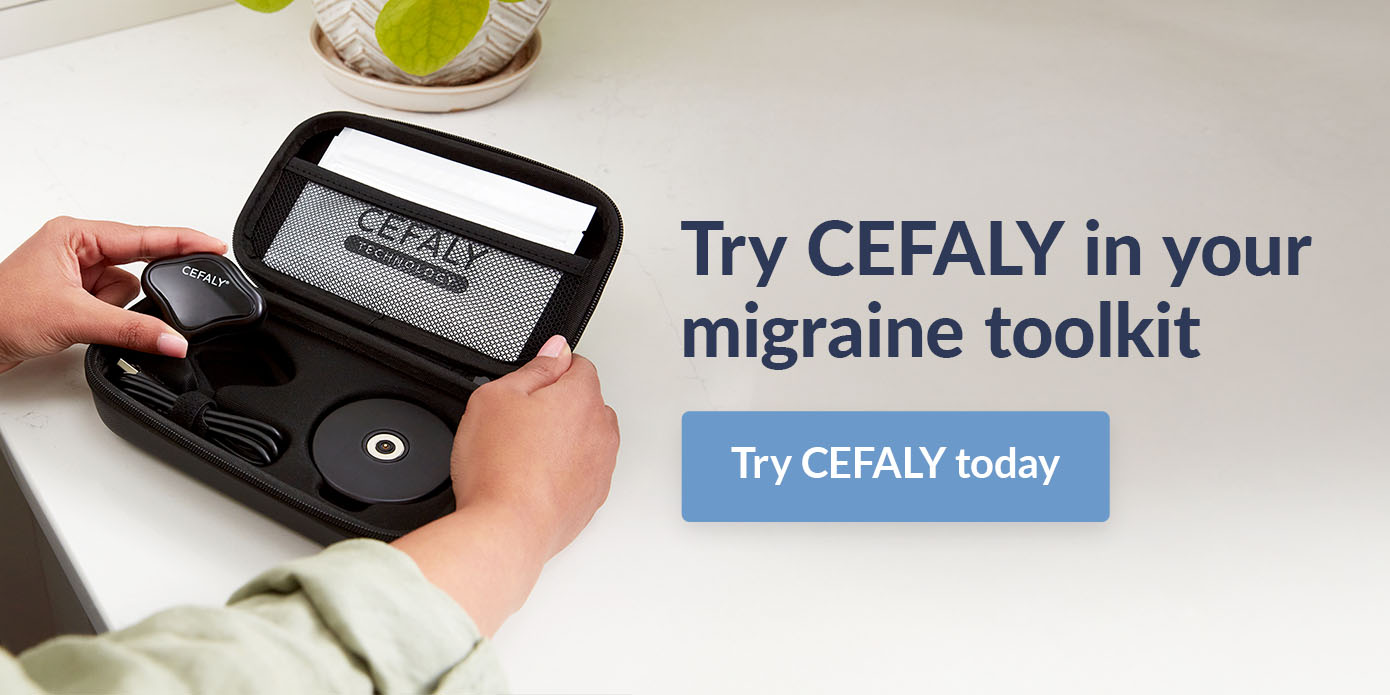
Try CEFALY in your migraine toolkit
Living with migraine can make retail work especially challenging, but with the right strategies and support, you can take control of your symptoms and thrive at work. Using a non-prescription drug-free migraine device can be a helpful tool in managing migraine symptoms while on the job or at home.
CEFALY is an FDA-cleared migraine treatment device that uses external trigeminal nerve stimulation (eTNS) technology to stimulate the trigeminal nerve. It has two treatment modes: uUse a CEFALY device at the earliest sign of a migraine attack to stop or relieve pain, or daily for a preventive treatment plan to reduce the frequency of migraine attacks.
Get your CEFALY today — no prescription needed.




Derniers messages

Le guide essentiel des dispositifs médicaux pour les migraines
CEFALY is an FDA-cleared medical device that targets the main pathway for migraine pain: the trigeminal nerve (the…

Best At-Home Migraine Neuromodulation Devices for 2026
Migraine affects more than 1 billion people worldwide. For people who want a drug-free option that can be…

Best FDA-Cleared Migraine Devices for Adults in 2026
Migraine affects an estimated 40 million people in the United States, and medication is not the right fit…