




Conseils pour vivre avec une migraine en déploiement
Veterans experience a higher prevalence of migraine and an increased risk for comorbidities, such as post-traumatic stress disorder (PTSD), than the general public. Découvrez si vous pouvez vous engager dans l’armée avec un trouble migraineux et comment gérer les crises migraineuses pendant le déploiement.
Peut-on déployer en cas de migraine?
It depends. Before enlisting, you'll undergo a screening at a Military Entrance Processing Station (MEPS). If you have a considerable history of migraine episodes that may restrict your ability to complete your duties, medical personnel may disqualify you from service. While this can be disappointing, you must be honest about your medical history. If you have not experienced a migraine episode in many years, you may be allowed to enlist following a robust physical examination.
While you may not be able to enlist in the military if you have a history of migraine, it is common for active-duty military members to develop migraine during service, whether due to stress, injury or trauma.
Recognizing migraine triggers while deployed
Migraine is typically characterized by throbbing or pulsing pain on one or both sides of the head that lasts up to 72 hours. You may also notice visual disturbances, nausea or vomiting, fatigue and drowsiness, and sensitivity to smell, sound or light.
If you experience these symptoms during deployment, you can receive a diagnosis at a troop medical clinic, combat hospital or similar facility. Then, it’s important to identify what triggers your attacks. These common migraine triggers can be exacerbated during deployment:
- Stress
- Dehydration
- Lack of sleep
- Weather changes
- Environmental factors, such as loud noises
Military-specific conditions, such as open burn pit exposure, can also contribute to migraine.
One effective strategy for recognizing triggers while deployed is using a journal or tracking app to identify patterns in your attacks.




Managing migraine while deployed
These tips can help you manage migraine while deployed.
1. Prioritize hydration and nutrition
In addition to regulating your body temperature and protecting your organs, drinking enough water can help you avoid migraine attacks. The Uniformed Service University’s Consortium for Health and Military Performance (CHAMP) recommends consuming between 16 and 32 ounces of fluid every hour during exercise or other high-exertion activities. During deployment, opt for electrolyte-rich beverages and snacks.
Proper nutrition may also help prevent migraine. At the dining facilities, aim for a balance of protein, vegetables and healthy starches, such as chicken, salad and potatoes. If the normal dining facilities are unavailable, a Meal, Ready-to-Eat (MRE) is specially designed to sustain you while you’re engaged in heavy activity. Nonperishable snacks are also good to have on hand, although avoid potential migraine triggers, such as beef jerky and nuts.
2. Try stress management techniques
Stress is a trigger for nearly 70% of people who experience migraine. During deployment, it helps to practice proven strategies for managing stress.
- Breathing exercises: Military personnel often use box breathing, sometimes called “tactical breathing,” to promote a sense of calm. Count to four while taking a deep breath in, then hold the breath for four seconds. Count to four as you release the breath, then hold your breath for another four seconds before repeating the pattern.
- Yoga stretches: The benefits of yoga for service members are well-documented, offering an effective form of stress relief. Try the cat-cow stretch, child’s pose or legs-up-the-wall stretch.
- Sleep: Insufficient sleep can increase stress levels and make dealing with stress more difficult.
Stress is a tricky trigger because heightened stress can increase migraine attacks, and increased migraine attacks can aggravate stress. This cycle makes finding coping strategies especially important.
3. Improve your sleep hygiene
Sleep disturbances can increase your vulnerability to migraine attacks. Setting a routine of going to bed and waking up at the same time each day can help improve sleep, and CHAMP’s Human Performance Resources recommends these tips:
- Use your off-duty time to sleep.
- Take long naps when you can’t get long blocks of sleep.
- Take 10-to-30-minute naps for a quick energy boost.
- Reduce your caffeine intake.
- Aim to stop eating three hours before bedtime.
If permitted, you can also use noise-canceling headphones to create a comfortable environment and deal with sleep disturbances.
4. Consult a healthcare provider for medication
The following medications can help manage migraine:
- Anticonvulsants
- Antidepressants
- Les bêta-bloquants
- Nonsteroidal anti-inflammatory drugs (NSAIDs), such as ibuprofen
- Triptans
- Calcitonin gene-related peptide (CGRP) agonists
Some individuals also find success with vitamins and supplements, including magnesium and vitamin B2, and non-medication treatments like Botox.
Migraine is manageable with an individualized treatment plan. While you’re deployed, your unit medical representative will coordinate your care. If prescribed a medication, you can get it filled through the Deployment Prescription Program (DPP).
5. Create a migraine toolkit
A migraine toolkit can help you feel more in control of your migraine management. In addition to medication and water, you can pack the following items in your toolkit:
- Ice packs: Apply the pack to your eyes, neck or head.
- Heating pads: Ease your tense muscles with heat therapy.
- Essential oils: Peppermint, lavender and rosemary may help relieve pain.
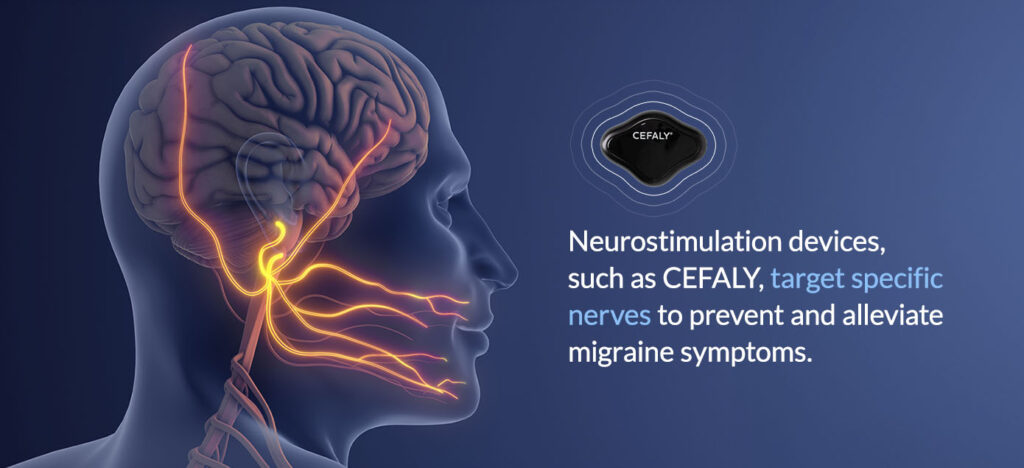
- Treatment devices: Neurostimulation devices, such as CEFALY, target specific nerves to prevent and alleviate migraine symptoms.
You can request these items from your unit or your loved ones. Remember that some toolkit items, such as essential oils, might be prohibited in care packages by the United States Postal Service or the country you're deployed in. You may still be able to use these items, but your loved ones may not be able to send them to you.
6. Communicate with service members and superiors
Migraine is not a mental health condition, but migraine is often linked with anxiety, depression, and PTSD. Your fellow service members and superiors can offer support and connect you with medical personnel and mental health resources. For example, you can contact Military OneSource for confidential counseling sessions, receive support from your installation’s Military and Family Support Center, or speak with your unit’s chaplain for guidance and counseling. The Military Crisis Line is also available 24/7 to all service members.
Can you retire from the military if you experience migraine?
Yes. You may qualify for military disability retirement if the military determines your condition would prevent you from performing your military duties. You cannot apply for disability retirement. Instead, a medical professional will examine you and, if necessary, refer you to the Medical Evaluation Board (MEB) or the Physical Evaluation Board (PEB), depending on your branch of service. The board will determine whether your disability qualifies you for retirement.
You may be put on the Permanent Disability Retired List (PDRL) if you have fewer than 20 years of active service and a disability rating of at least 30%, or if you have 20 or more years of active service, regardless of your disability rating. You will also be recommended for discharge without benefits if your disability existed before you entered the armed forces. However, in the case of migraine, you may not have been permitted to enlist in the first place.
If the board thinks your migraine could improve or worsen, they may put you on the Temporary Disability Retired List (TDRL). You may be transferred to the PDRL if your disability stabilizes and is rated at 30% or higher. Or, you may be discharged with severance pay if your disability stabilizes and is rated at less than 30%.
Try CEFALY for migraine relief and prevention during deployment
CEFALY is an FDA-cleared external trigeminal nerve stimulation (eTNS) device that targets the trigeminal nerve to prevent and alleviate migraine pain without the side effects of medication. If you’re experiencing migraine attacks, talk to military medical personnel about whether you can use CEFALY during your deployment. After you leave the military, you can continue using CEFALY — it’s covered by VA healthcare benefits.
Learn more about the CEFALY device today!





Derniers messages

Le guide essentiel des dispositifs médicaux pour les migraines
CEFALY is an FDA-cleared medical device that targets the main pathway for migraine pain: the trigeminal nerve (the…

Best At-Home Migraine Neuromodulation Devices for 2026
Migraine affects more than 1 billion people worldwide. For people who want a drug-free option that can be…

Best FDA-Cleared Migraine Devices for Adults in 2026
Migraine affects an estimated 40 million people in the United States, and medication is not the right fit…